How to Cure Dandruff During Seasons : A Simple Guide
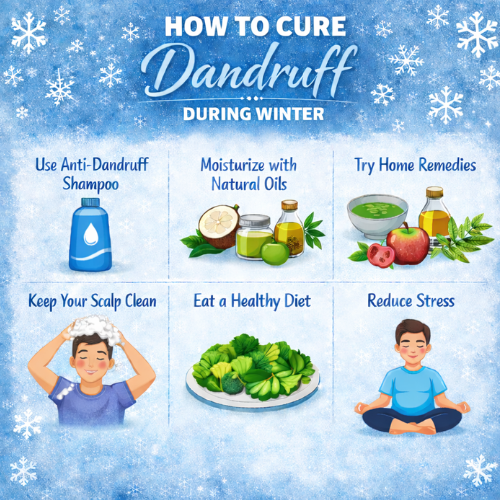
How to Cure Dandruff in All Seasons
Dandruff is a common scalp problem that can affect anyone at any time of the year. Many people think dandruff only happens in winter, but the truth is that dandruff can occur in every season due to different reasons.
Table of Contents
ToggleUnderstanding the real cause of dandruff and following the right care routine can help you control it effectively throughout the year.
What Is Dandruff?
Dandruff is a condition where dead skin cells shed from the scalp, causing white flakes and itching. It is often linked to a scalp condition called seborrheic dermatitis.
The main symptoms include:
White or yellow flakes on scalp and shoulders
Itching and irritation
Dry or oily scalp
Why Dandruff Happens in All Seasons
Dandruff is not limited to one season. It can occur anytime due to multiple factors.
1. Fungal Growth on Scalp
A natural yeast called Malassezia lives on the scalp. When it grows excessively, it irritates the scalp and causes flaking. (Healthline)
2. Dry or Oily Scalp
Both dryness and excess oil can lead to dandruff:
Dry scalp → small flakes
Oily scalp → sticky, larger flakes
3. Poor Hair Care Routine
Not washing hair regularly
Overwashing hair
Using harsh products
These habits disturb the scalp balance and increase dandruff.
4. Seasonal Changes (All Year Impact)
Dandruff can change depending on the season:
Summer: Sweat and oil buildup increase fungal growth
Rainy Season: Humidity keeps scalp damp and weak
Winter: Dry air removes moisture from scalp
Spring: Allergies and weather changes affect scalp health
👉 This proves dandruff can occur in all seasons, not just winter (NorthEast Now)
5. Lifestyle and Diet
Stress
Poor nutrition
Lack of sleep
These factors weaken scalp health and trigger dandruff.
Effective Ways to Cure Dandruff (All Seasons)
Now let’s focus on practical solutions that work throughout the year.
1. Keep Your Scalp Clean
Wash your hair regularly based on your hair type:
Oily scalp: 2–3 times a week
Dry scalp: 1–2 times a week
Clean scalp prevents buildup of oil and dead skin.
2. Use Anti-Dandruff Shampoo
Choose a good anti-dandruff shampoo that helps control fungal growth and flakes.
Use it consistently for best results.
3. Avoid Overuse of Hair Products
Hair gels, sprays, and chemicals can block pores and irritate the scalp.
Use minimal styling products.
4. Maintain Proper Hydration
Drink enough water and keep your scalp hydrated.
Healthy hydration improves skin and scalp condition.
5. Oil Your Hair Carefully
Light oiling can nourish the scalp, but avoid excessive oil as it may increase dandruff.
6. Manage Sweat and Dirt
Wash hair after heavy sweating
Keep scalp dry in humid conditions
This is especially important during summer and rainy seasons.
7. Follow a Healthy Diet
Include:
Fruits and vegetables
Protein-rich foods
Foods rich in vitamins
Good nutrition supports scalp health.
8. Reduce Stress
Stress can disturb your body balance and worsen dandruff.
Simple habits like exercise and proper sleep can help.
9. Avoid Common Mistakes
Using very hot water
Scratching the scalp
Ignoring early dandruff symptoms
These habits can worsen the condition.
10. Take Professional Advice
If dandruff is severe or long-lasting, consult a professional for proper treatment.
Salon Expert Tip
In real salon experience, most dandruff cases are not seasonal—they are caused by poor scalp care routine and product misuse.
Clients who follow a consistent routine usually see improvement within a few weeks.
Frequently Asked Questions
Can dandruff be cured permanently?
Dandruff can be controlled effectively, but it may come back if proper care is not maintained.
How long does it take to remove dandruff?
With the right routine, improvement is usually seen within 2 to 4 weeks.
Conclusion
Dandruff is not just a winter problem—it can occur in any season due to various factors like scalp condition, lifestyle, and environment.
The key to controlling dandruff is consistency. With proper care, a healthy routine, and the right products, you can manage dandruff effectively throughout the year.
Healthy scalp care leads to healthy hair.