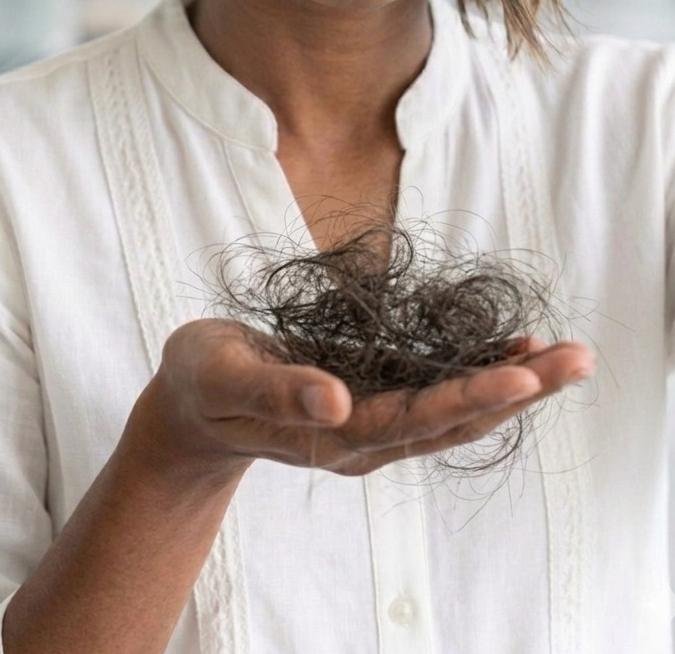
Hair fall, a common concern affecting a significant portion of the population, can lead to psychological distress and altered self-esteem. Both men and women experience varying degrees of hair loss, and understanding this phenomenon is essential for effective management. It is estimated that individuals lose between 50 to 100 strands of hair daily, which is a natural part of the hair growth cycle. The biological process involves three crucial phases: anagen (growth), catagen (transitional), and telogen (resting). When hair enters the telogen phase, it naturally sheds, making way for new hair growth.
Table of Contents
ToggleWhile occasional hair fall is normal, excessive loss can indicate underlying issues ranging from genetic predisposition to medical conditions. Common causes include hormonal imbalances, nutritional deficiencies, stress, environmental factors, and certain hairstyles. Recognizing the cause of hair fall is vital, as it can guide individuals towards the most appropriate remedies and preventive measures.
In addition to physiological factors, emotional and psychological aspects play a role in how individuals perceive hair fall. Society often places significant emphasis on hair as a symbol of health and beauty, which can exacerbate feelings of inadequacy during episodes of loss. Thus, addressing hair fall not only requires an understanding of biological mechanisms but also an awareness of how it impacts mental well-being.
Continuous research in dermatology and trichology has provided insights into effective strategies for controlling hair fall. By familiarizing ourselves with the various factors contributing to hair loss, we empower ourselves to seek appropriate solutions. This knowledge lays the groundwork for the subsequent sections of this blog, where we will delve deeper into the causes and provide actionable tips for controlling hair fall.
Hair fall is a common concern that affects individuals across various demographics. Understanding the underlying causes can aid in effective control and management. One significant factor contributing to hair loss is genetic predisposition, particularly androgenetic alopecia, commonly known as male or female pattern baldness. This hereditary condition typically results in gradual thinning of hair and can manifest at different ages.
Hormonal changes also play a crucial role in hair fall. Events such as pregnancy, childbirth, and menopause can lead to fluctuations in hormone levels, prompting temporary hair shedding. Thyroid disorders, which can cause an imbalance in hormones, are another medical condition linked to hair loss. Both hypothyroidism and hyperthyroidism can disrupt the hair growth cycle, leading to noticeable thinning.
Nutritional deficiencies are another important contributor to hair fall. Lack of essential vitamins and minerals, particularly iron, zinc, and vitamins A and D, can hinder hair health and growth. A well-balanced diet is vital for maintaining robust hair, as deficiencies in these nutrients may stunt hair follicles’ ability to produce new strands.
In addition to these physiological factors, stress and lifestyle choices can significantly influence hair health. Chronic stress is associated with a condition known as telogen effluvium, where hair prematurely enters the shedding phase. Poor hair care practices, such as excessive heat styling, harsh chemical treatments, and tight hairstyles, can exacerbate hair loss by damaging the hair shaft and follicles.
Recognizing these common causes of hair fall empowers individuals to take proactive measures in addressing their specific situations. By identifying potential triggers, one can adapt their lifestyle or seek professional advice to promote healthier hair growth.
The relationship between nutrition and hair health is profound, with a balanced diet playing a crucial role in maintaining strong, vibrant hair while preventing excessive hair fall. Essential nutrients act as the building blocks for hair growth, supporting overall wellbeing. A few critical nutrients are particularly influential: proteins, vitamins, and minerals.
Firstly, proteins are vital for hair structure, as hair is primarily composed of a protein called keratin. Including adequate sources of protein in one’s diet, such as lean meats, fish, eggs, legumes, and dairy products, can significantly enhance hair strength and resilience. This is particularly important, as protein deficiency may lead to weakened hair follicles and increased hair shedding.
In addition to protein, vitamins play an indispensable role in hair growth. Vitamin D, for example, is essential for the creation of new hair follicles. Sources of vitamin D include fatty fish, fortified foods, and sunlight exposure. Another important vitamin is biotin, also known as vitamin B7, which supports keratin production. Foods rich in biotin include eggs, nuts, seeds, and whole grains. A deficiency in either of these vitamins may result in hair thinning and potentially contribute to hair loss.
Furthermore, minerals such as zinc and iron are critical for hair health. Zinc helps nourish hair follicles and supports the oil glands around them. Good dietary sources of zinc include meat, shellfish, legumes, and seeds. Iron, on the other hand, is essential for carrying oxygen to the hair roots; it’s found in foods like spinach, red meat, lentils, and fortified cereals. Insufficient levels of iron can lead to anemia, which is often linked to increased hair loss.
In essence, a well-rounded diet rich in essential nutrients can significantly contribute to hair health. Attention to one’s nutritional intake may be one of the key strategies in combating hair fall effectively. Ensuring an adequate supply of proteins, vitamins, and minerals is crucial for maintaining vibrant and healthy hair.
Combatting hair loss often requires adjustments to one’s lifestyle, as several factors can contribute to the health of hair follicles and overall hair growth. One important aspect is managing stress, which has been linked to hair loss conditions such as telogen effluvium. Engaging in regular physical activity, meditation, or yoga can significantly reduce stress levels, thereby fostering a more conducive environment for hair growth. Research has indicated that consistent exercise not only enhances overall physical well-being but also improves mental health, which can play a critical role in mitigating hair loss.
Adequate sleep is another crucial consideration for maintaining hair health. During sleep, the body repairs and regenerates itself, including hair cells. Studies show that insufficient sleep can lead to hormonal imbalances, which may exacerbate hair thinning. Therefore, it is essential to establish a regular sleep schedule that allows for 7-9 hours of restorative sleep each night, promoting better hair health.
Furthermore, avoiding harsh hair treatments and excessive styling is vital for preventing hair damage. Chemical dyes, excessive heat from styling tools, as well as tight hairstyles can contribute to breakage and weakened hair. Incorporating gentler hair care products and techniques helps minimize further stress on the hair shafts. Professional dermatologists often recommend using sulfate-free shampoos and natural conditioners, which are less likely to strip hair of its essential moisture. Additionally, limiting the use of styling tools can prevent the mechanical damage that often leads to hair loss.
By integrating these lifestyle modifications, individuals can create a more favorable environment for their hair to thrive. These changes not only support hair health but also contribute positively to overall wellness, illustrating a holistic approach to combating hair loss.
Maintaining healthy hair and minimizing hair fall involves adopting effective hair care practices tailored to individual needs. The first step is selecting the right hair products, specifically shampoos and conditioners that cater to your hair type. For instance, individuals with oily hair may benefit from a clarifying shampoo, while those with dry or damaged hair should consider moisturizing formulas. Furthermore, it’s advisable to choose sulfate-free or paraben-free products to reduce potential irritation and damage.
Washing hair with the appropriate frequency is equally crucial. Over-washing can strip the hair of natural oils, leading to dryness and brittleness, which may result in increased hair fall. Generally, a washing routine of two to three times a week is sufficient for most hair types. When washing, it is important to gently massage the scalp to stimulate blood circulation, which promotes healthy hair growth. Using lukewarm water instead of hot water can also help maintain moisture levels, as hot water can dry out the scalp and hair.
Drying hair is another important aspect of hair care. Rather than vigorously rubbing hair with a towel, gently patting the hair dry is more effective. If heat styling tools are necessary, employing a heat protectant is essential to shield hair from damage. Additionally, air drying is the healthiest method to reduce hair fall, as it avoids the potential harm associated with high-temperature styling.
Incorporating regular scalp massages into one’s routine is highly beneficial. These massages not only stimulate circulation but also can aid in alleviating stress, which is often linked to hair loss. Using natural oils, such as coconut or argan oil, during massages enhances the experience, providing nourishment and moisture to both the scalp and hair. By adopting these effective practices, individuals can significantly improve hair health and mitigate hair fall over time.
Hair fall is a common issue that affects many individuals, and natural remedies can offer effective control over this condition. Several ingredients have long been praised for their potential benefits in strengthening hair and reducing fall. Among these, coconut oil stands out due to its rich composition, which includes fatty acids and vitamins. Regular application of warm coconut oil can nourish the scalp, promote healthy blood circulation, and prevent protein loss, which is often a cause of hair damage and thinning.
Aloe vera is another powerful remedy that is widely used for maintaining healthy hair. The gel extracted from aloe vera leaves is rich in vitamins A, C, and E, which contribute to healthy hair growth. It also contains enzymes that help remove dead skin cells from the scalp, thus promoting a cleaner environment for hair follicles. Applying aloe vera gel directly to the scalp and leaving it for about 30 minutes before washing can create noticeable improvements over time.
Essential oils, such as rosemary and peppermint oil, have gained attention for their ability to stimulate hair growth and improve circulation. When diluted with a carrier oil and massaged into the scalp, these essential oils may contribute to healthier hair over periods of regular use. Similarly, herbal treatments using ingredients like fenugreek seeds and hibiscus flowers can enhance hair strength. Fenugreek seeds, when soaked and ground into a paste, can be applied to the hair for their rich protein content, while hibiscus is known for its ability to condition and prevent premature graying.
While these home remedies can be effective, it is important for individuals to conduct patch tests before using any new treatment to ensure there are no allergic reactions. Additionally, maintaining a balanced diet and proper hydration is essential for optimizing the benefits of these natural solutions. Integrating these practices into a personal care routine may yield significant improvements in managing hair fall.
Experiencing hair fall can be distressing, and while some degree of shedding is normal, there are specific signs that suggest the need for professional intervention. If an individual notices sudden or patchy hair loss, it is crucial to consult a dermatologist or trichologist. Sudden hair fall, especially if it occurs in clumps or results in bald patches, may indicate underlying health issues that necessitate a thorough assessment.
Another critical sign is the presence of persistent itching or scalp irritation. An inflamed scalp, accompanied by redness, flaking, or discomfort, might suggest conditions like dermatitis or psoriasis, which require medical treatment. The expert evaluation will assist in determining whether the hair loss is due to an inflammatory condition, hormonal changes, or another health concern.
Other symptoms warranting professional advice include noticeable thinning of hair, changes in hair texture, or excessive hair loss when combing or washing. These changes can be indicative of conditions such as alopecia, telogen effluvium, or male-pattern baldness. A dermatologist or trichologist can provide accurate diagnoses through careful examination and medical history evaluation.
Upon diagnosis, professionals may recommend various treatments based on the specific cause of hair fall. Options include topical solutions, oral medications, laser therapy, or even hair transplantation in severe cases. They can also offer guidance on lifestyle changes, dietary adjustments, and proper hair care routines to help mitigate hair fall. Recognizing these signs early and seeking professional help is crucial for effective management and possibly reversing hair loss. Engaging with a specialist ensures that individuals receive personalized care tailored to their unique situations, ultimately leading to improved scalp health and hair growth.
Hair loss is a common issue that affects individuals of various ages and backgrounds. It can result from a multitude of factors including genetics, hormonal changes, and certain medical conditions. Fortunately, medical treatments have been developed to combat hair loss effectively. This section will explore several options, from over-the-counter products to advanced therapies.
One widely recognized over-the-counter treatment is minoxidil. This topical solution is applied directly to the scalp and has been shown to promote hair regrowth in both men and women. Its mechanism revolves around increasing blood flow to hair follicles, thereby invigorating inactive hair follicles. While generally safe, some potential side effects include scalp irritation and unwanted facial hair growth.
Another commonly prescribed medication is finasteride. This oral medication is predominantly used for male-pattern baldness, working by inhibiting the enzyme that converts testosterone into dihydrotestosterone (DHT), a key contributor to hair loss. While effective for many, there are concerns regarding side effects such as decreased libido and potential mood changes. It is crucial for users to consult healthcare professionals to assess suitability and necessary precautions.
For those seeking more advanced options, platelet-rich plasma (PRP) injections have gained popularity in recent years. This treatment involves drawing blood from the patient, processing it to concentrate the platelets, and injecting it into the scalp to stimulate hair growth. Research suggests that PRP may enhance follicle health and encourage regrowth. However, multiple sessions may be required for noticeable results and potential side effects can include scalp tenderness and swelling.
Lastly, hair transplant procedures represent a surgical option for permanent hair restoration. This technique involves relocating hair follicles from areas of robust growth to bald or thinning areas. Although effective, it requires careful consideration of factors such as cost, recovery time, and the skill of the surgeon. Each treatment has its own set of advantages and drawbacks, making it essential for individuals to evaluate their options thoroughly, consult with a medical professional, and consider their unique circumstances before proceeding.
As this discussion on hair fall comes to a close, it is crucial to reaffirm the importance of understanding the multiple causes of hair loss. Recognizing the underlying factors—such as genetic predispositions, hormonal imbalances, nutritional deficiencies, and the impact of stress—can significantly aid individuals in managing their hair health more effectively. A well-rounded understanding allows for the identification of potential solutions and preventive measures tailored to each person’s unique circumstances.
Nourishing the body with a balanced diet rich in vitamins and minerals is paramount for robust hair health. Nutrition plays a vital role in the growth and maintenance of hair, with nutrients such as iron, zinc, and vitamins A, C, D, and E being particularly beneficial. By incorporating foods that support hair health into daily meals, individuals can foster stronger and thicker hair while also enhancing overall well-being.
Additionally, lifestyle choices should not be overlooked. Regular exercise, sufficient hydration, and stress management techniques contribute to not only physical health but also hair vitality. Engaging in practices such as yoga or meditation can reduce stress levels, which in turn may mitigate hair fall. Moreover, embracing methods that involve gentle handling and care of hair, including minimizing heat styling and chemical treatments, supports its long-term health and appearance.
Finally, seeking professional guidance from a healthcare provider or dermatologist can be instrumental in understanding specific hair concerns and determining appropriate treatments. Personalized advice can help in addressing hair loss effectively, ensuring that the approach is both comprehensive and suitable for one’s individual needs.
In conclusion, by embracing these healthy hair practices and remaining proactive, individuals can take significant steps towards maintaining their hair’s health and vitality. A holistic approach—combining knowledge, nutrition, lifestyle adjustments, and professional support—will undoubtedly yield the best outcomes for preventing hair fall and promoting enduring hair strength.